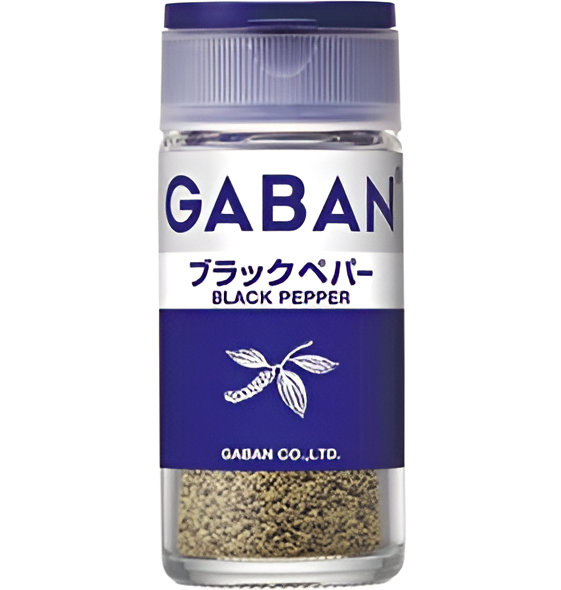
GABAN is a popular Japanese brand of spices and seasonings, owned by the House Foods Group. Founded in 1963, the brand is well-known for its high-quality black pepper, white pepper, and a variety of other spices commonly used in Japanese home cooking and professional kitchens.
GABAN Co., Ltd. (株式会社ガバン) is a Japanese company primarily known for its spices, especially its flagship product: pepper. The brand is iconic in Japan, often recognized by its distinctive red and yellow can with a crusader knight logo.
1923: The company was founded in Kobe, a major international port city. This location was strategic, as it facilitated the import of raw spices from around the world.
The Name "GABAN": The origin of the name is not definitively documented, but the most widely accepted theory is that it comes from the Japanese word for "galley" (厨房, galleon), the kitchen on a ship. This evokes an image of global trade and seafaring, perfectly suited for a spice company. The knight logo further reinforces this image of European tradition and quality.
Post-War Era: After World War II, as Japan began to recover and American influence grew, Western-style cooking (known as yōshoku) became increasingly popular. Dishes like hamburger steak, stew, and curry required spices like black pepper, which were not staples of traditional Japanese cuisine. GABAN positioned itself to meet this new demand.
The "GABAN" of Pepper: GABAN executed brilliant marketing campaigns. Their memorable TV commercials featured the catchy jingle "Koshō wa GABAN" (胡椒はガバン), which translates to "For Pepper, it's GABAN." This slogan was so effective that it became a household phrase, essentially making "GABAN" synonymous with "pepper" for an entire generation of Japanese consumers, much like "Kleenex" is for tissues in English.
Packaging: The small, cylindrical metal can with a plastic shaker top became instantly recognizable and was designed for convenience and to keep the spices fresh.
Product Expansion: While pepper remained its flagship, GABAN successfully expanded its line to include a wide array of spices and seasonings, such as chili powder, curry powder, oregano, and basil, helping to introduce these flavors to the Japanese home cook.
Increased Competition: From the 1990s onwards, GABAN faced intense competition from other major food companies like S&B and House Foods, as well as the arrival of imported spice brands and the growth of specialty stores offering whole spices.
Shift in Consumer Preferences: Consumer tastes began to shift towards fresher, higher-quality, often whole spices that could be ground at home. The pre-ground spices in a can, which were GABAN's core business, began to be seen by some as less premium.
Nostalgia and Stability: Despite these challenges, GABAN has maintained a strong presence in the Japanese market. Its brand is deeply associated with nostalgia and reliability. It is a staple in many home kitchens, restaurants, and especially in classic yōshoku (Western-style Japanese) restaurants. The brand represents a certain authentic, post-war Japanese culinary culture.
Pioneer: GABAN was a pioneer in popularizing Western spices in Japan.
Marketing Genius: Its advertising campaigns created one of the most famous product slogans in Japanese history.
Cultural Artifact: The red and yellow GABAN pepper can is a cultural icon, representing a specific era of Japanese modernization and the adoption of yōshoku.
Enduring Legacy: While its market dominance has waned, it remains a well-known and trusted brand, particularly valued for its consistency and its place in the nostalgic memory of Japanese food culture.